Lost People
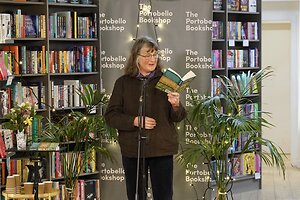
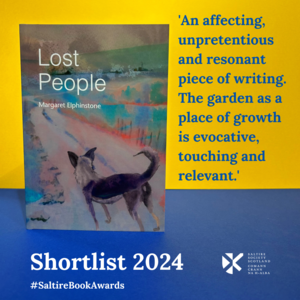
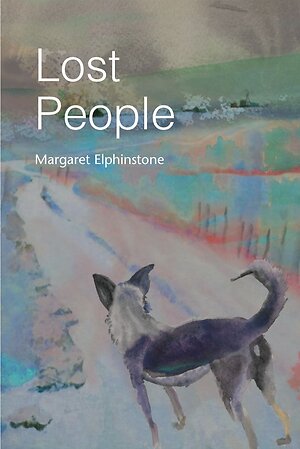
Lost People,a new novel by Margaret Elphinstone was published by Wild Goose publications in spring 2024. It was short-listed for the Saltire Society 2024 Award for fiction. It can be purchased from Iona Books.
Lost People is set in a fractured dystopic future, but the child Rue finds solace in the garden of a mysterious community. Adulthood requires a courageous journey through a landscape of despair, yet ultimately Rue finds hope of regeneration from unexpected sources.
Lost People, timeless yet disturbingly relevant, offers healing, peace and refuge to a world ravaged by war and desolation.
See details of Lost People events
Comments on Lost People
Set in a future in which humans are tentatively rebuilding the idea of community after some unspecified global disaster, Lost People has a meditative, calming mood and pace despite the fact that things have gone so badly wrong. The writing is beautiful, especially the voice of Rue, the troubled, vulnerable, highly intelligent young person who tells the story. Margaret Elphinstone has created a world simultaneously strange and familiar. It is a novel unlike any I have read for some time.
James Robertson: author and poet
Here is a story of trauma, the kindness of strangers and the healing power of animals and plants. It may have happened aeons ago, or might be yet to come, or might even be occurring here and now. Lost People is a gem-like wisdom-tale of perfect clarity and depth.
Kathleen Jamie: Scotland's Makar
Lost People is a precious gift. It opens up sanctuaries and pathways through scented herb gardens, through by-ways of restoration for all who find themselves lost. To read Lost People is to trace the illuminations of a manuscript coming alive from its centuries sleeping, to be in a world a colour amidst destruction, to be reminded of the simple things that are part of the right to be ordinary, to be quiet, to find song. Once again Margaret Elphinstone has made worlds which never flinch from the consequences of war but help us find ways into the work of healing, peace and refuge.
Alison Phipps: Member of the Iona Community and UNESCO Chair for Refugee Integration through Languages and Arts at the University of Glasgow
A timeless, mesmerising jewel of a story, balm for the soul.’
Mandy Haggith: novelist and poet
Timeless yet immediate, a haunting fable rooted in reality, Margaret Elphinstone’s visionary writing creates an adjacent world to our present plagues of war, and societal dislocation. Yet within her poetic meditation, as rooted in the healing herbs of her novel’s knot garden, also sprouts a harvest of hope, and the potential for redemption. This is a story of lyrical urgency, beautifully told; gift, adventure and manifesto from a writer of wonders and lament.
Martyn Halsall: poet and journalist
The book is beautifully written, and the author’s humanity shines through it very clearly, as does her knowledge of gardens and plants. There’s a clarity of expression in the narrative which makes it easy to read, and yet there are layers of meaning within it. Very satisfying.
Colin Will: poet
Launch of Lost People
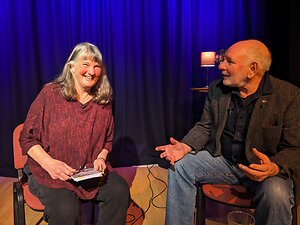
Margaret Elphinstone was interviewed by poet and author Tom Pow at the launch of Lost People at the CatStrand, New Galloway.
The launch event is available on YouTube.
The latest reviews of Lost People
Read the latest reviews
from Bella Caledonia
from the Dove Tales Blog